
 English
 Views: 28 Author: Site Editor Publish Time: 2026-03-27 Origin: Site
Collaborative Application of Compound Stamping and CNC Turning: High-Precision Disc Spring Blank Processing Technology for Three-Mass Production
In high-end equipment manufacturing, precision machinery, rail transit systems, and aerospace applications, disc springs (abbreviated as disc springs) have become essential elastic components due to their compact size, high load capacity, controllable stiffness, and superior shock absorption capabilities. The load stability, fatigue life, and assembly accuracy of disc springs fundamentally depend on the quality of blank material processing. Traditional single-stamp or turning processes can no longer meet modern production demands for disc springs with varying thicknesses, which require high precision, efficiency, and consistency.
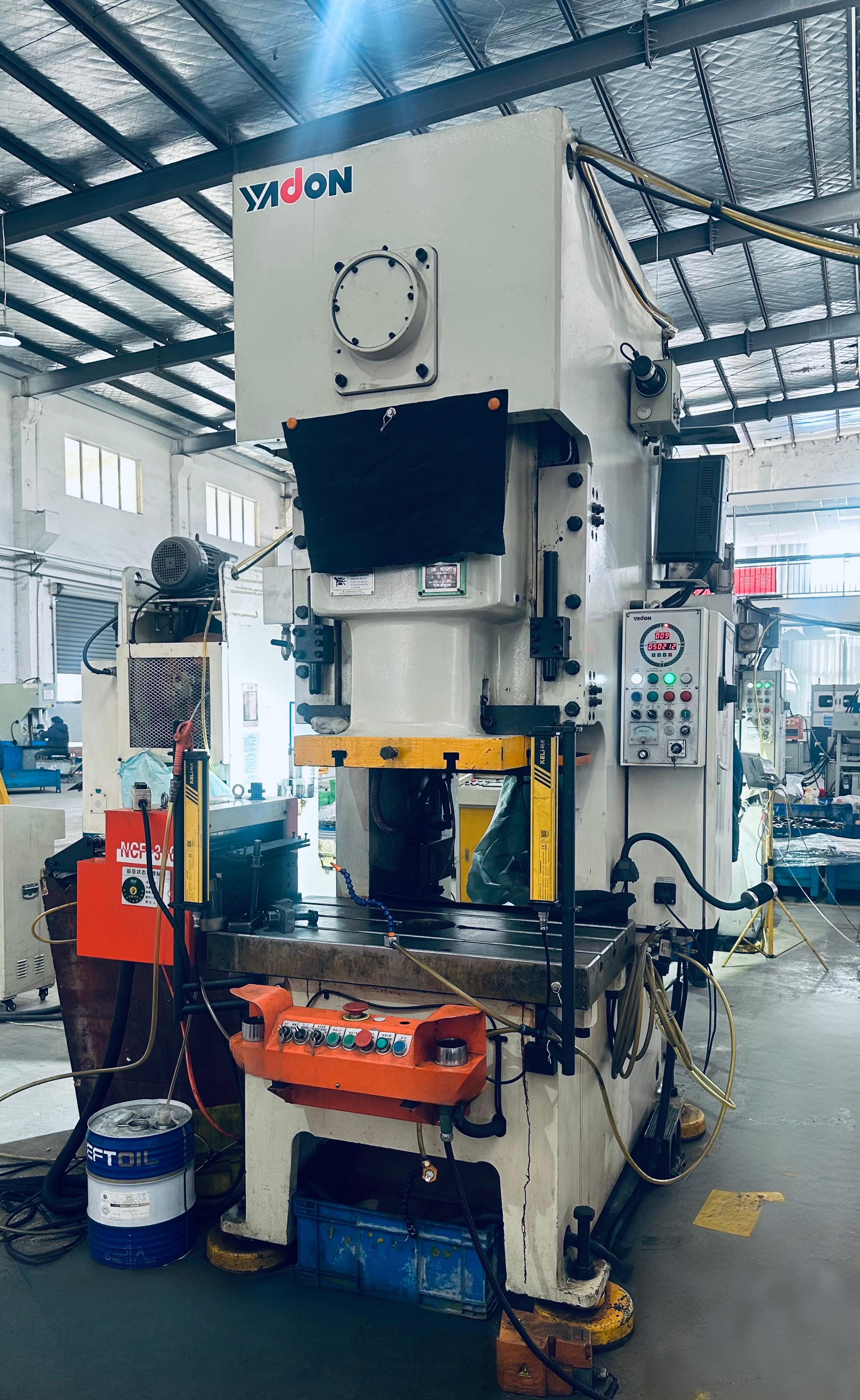
Through years of production practice, Jiangsu Sunzo Spring Technology Co., Ltd. (hereinafter referred to as "Sunzo Spring") has developed a differentiated manufacturing approach with a 6mm threshold based on the forming characteristics of disc springs with varying thicknesses. For thin-walled disc springs below 6mm, composite stamping technology is employed to maximize forming efficiency, while thicker plate disc springs above 6mm utilize CNC turning technology to ensure precision and mechanical performance. This article combines Sunzo Spring's practical experience to thoroughly analyze the technological logic, operational key points, quality control measures, and application value of this technical system.
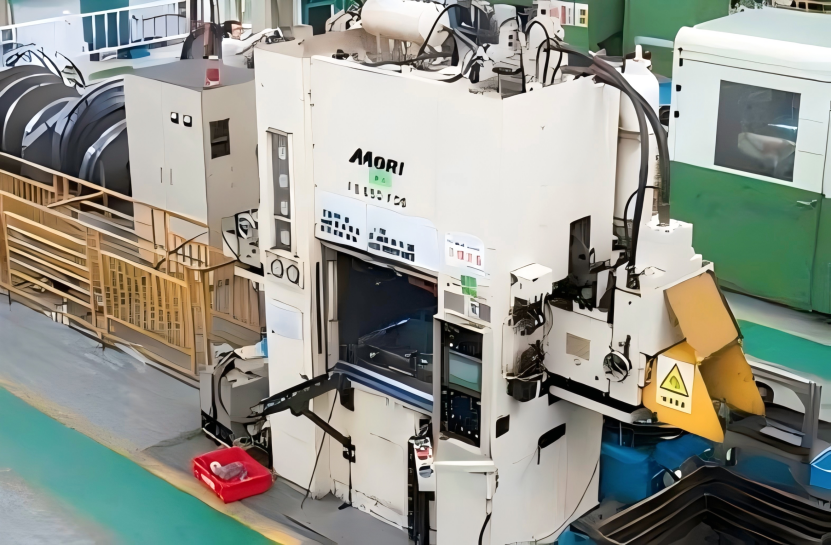
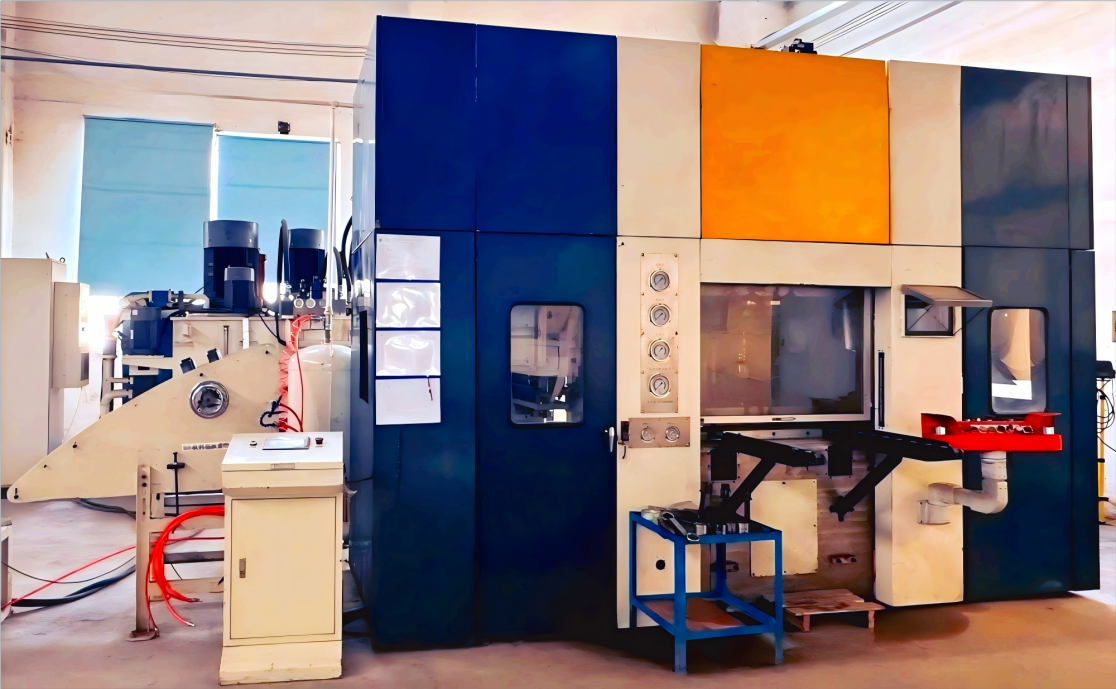
The technical approach of Sunzo Spring follows the core principle of "tailored solutions for different thicknesses and precise component selection": thin-walled disc springs below 6mm utilize composite stamping for efficient near-net forming, while thick plate disc springs above 6mm employ CNC turning to ensure precision and mechanical properties. These two process technologies complement each other, collectively enabling comprehensive blank processing capabilities across the entire thickness range of disc springs.
High-quality spring steel plates such as 60Si2MnA and 50CrVA are selected. Through multi-station composite stamping dies, the entire process—including plate leveling, material cutting, punching, conical surface forming, and outer edge trimming—is completed in a single operation to rapidly obtain finished blank materials. To address springback issues in thin-walled components, CAE simulation is employed to optimize die profiles, enabling springback compensation and ensuring precise forming angles and contour accuracy. This process features high material utilization efficiency and short unit processing time, making it ideal for mass production.
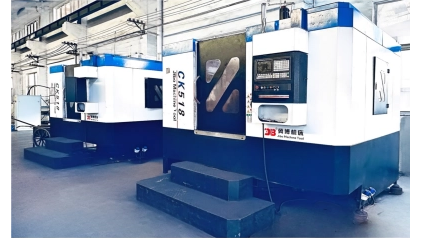
Using bar stock or forged blanks as raw materials, the entire machining process—including internal and external cylindrical turning, conical surface forming, end face grinding, and chamfering—was completed through the high-precision spindle, servo system, and specialized fixtures of CNC lathes. Considering the high hardness and significant cutting forces characteristic of thick plate spring steel, optimized tool selection and cutting parameters were implemented. By employing low-speed precision turning and micro-cutting techniques, effective control over cutting heat and deformation was achieved, resulting in dimensional tolerances and form-position tolerances maintained at the micron level.
Unlike the single-process full-coverage model, Sunzo Springity has achieved a significant breakthrough by adopting a differentiated process route with a 6mm boundary.
routing | Applicable thickness | core advantage |
composite stamping | ≤6mm | High production efficiency, material utilization rate exceeding 85%, and low unit cost make it suitable for mass production of thin-walled components. |
CNC turning | >6mm | Achieves controllable precision with coaxiality ≤0.01mm, thickness tolerance ±0.01mm, and surface roughness Ra ≤0.8μm, suitable for high-precision thick plate components. |
Ø Full thickness coverage: Capable of processing disc springs with thicknesses ranging from 1–20mm and outer diameters from 10–600mm, catering to both thin-plate precision components and heavy-load thick-plate parts.
Ø Optimal balance between precision and efficiency: thin-walled components prioritize efficiency, while thick plate components emphasize precision, avoiding performance compromises caused by a one-size-fits-all approach in single processes.
Ø The product exhibits exceptional consistency: Composite stamping relies on standardized dies, while CNC turning depends on programmed rigidity, eliminating manual operational errors. The dimensional deviations of raw materials within the same batch are minimal, with load fluctuations controlled within ±3%.
Ø Optimal overall cost: Thin-walled components achieve dual savings in material usage and efficiency through stamping, while thick plate components ensure precision and reduce defect rates via turning. The overall manufacturing cost is lower than that of a single process route.
The implementation of differentiated processes hinges on precise control of details across different thickness ranges. Sunzo Spring has established mature key technological points in both stamping and turning domains.
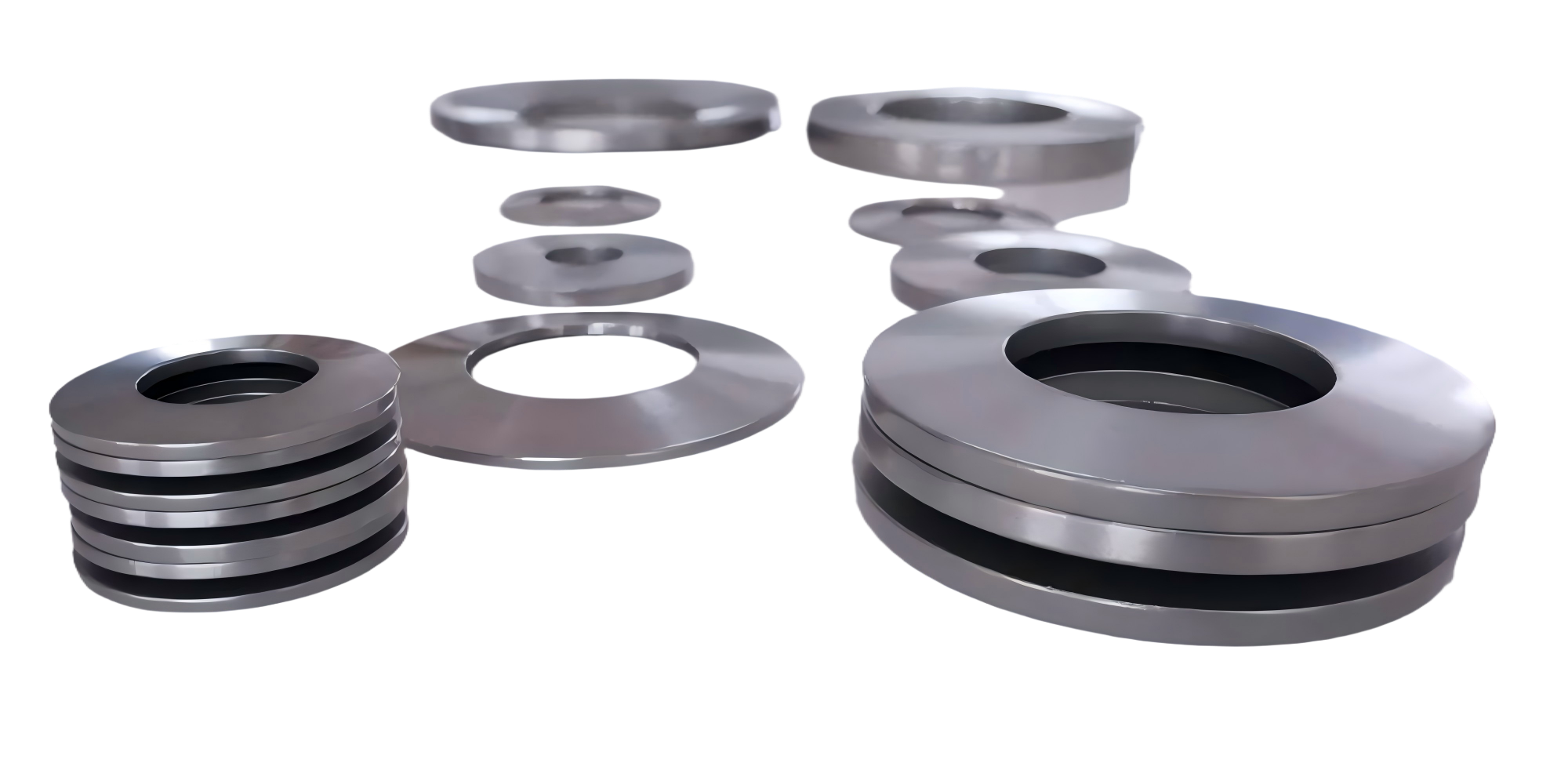
The die serves as the core component in stamping forming processes, directly determining the initial accuracy of the blank material.
Mold material selection: The punch is made of wear-resistant steels such as Cr12MoV and SKD11, with heat-treated hardness ranging from 58 to 62 HRC; the die hardness is controlled at 60–64 HRC to effectively extend mold lifespan and reduce wear deviations during mass production.
Positioning and guidance design: Utilizes dual positioning mechanisms—guide post-guide sleeve for precision guidance and inner hole positioning pin—to ensure blank material remains aligned during stamping, with initial concentricity of inner and outer circles meeting specifications.
Rebound Compensation Optimization: To address the cold stamping rebound characteristics of thin-walled spring steel, CAE simulations were conducted to pre-compensate for cone surface angles and arc transitions, thereby preventing post-forming angular deviations.
Stamping parameter settings: Adjust stamping speed and pressure according to sheet thickness, employ cold stamping process to prevent blank cracking and wrinkling, and control forming stress.
CNC turning is critical for ensuring the precision of thick plate disc springs, where tooling and parameters directly impact final quality.
Special fixture design: Utilizing an elastic expansion chuck and a three-grip self-centering collet with end-face positioning effectively prevents deformation during thick slab material clamping, ensuring uniform positioning references.
Tool selection: High-performance cemented carbide and coated tools were selected. Considering the high hardness and high cutting force characteristics of thick plate spring steel, forming arc tools were employed to process conical surfaces and fillets, ensuring contour accuracy.
Precision optimization of cutting parameters: In practical production, the lathe spindle speed is adjusted between 800–2500 r/min based on blank diameter and material properties, with feed rate controlled at 0.05–0.12 mm/r and cutting depth maintained at 0.1–0.3 mm. The implementation of low-speed precision turning and micro-cutting techniques effectively minimizes deformation caused by cutting heat and forces.
Programmable Automation and Simulation: The technical team develops standardized turning programs using programming software, conducts pre-simulation to prevent overcutting and undercutting, enables one-click machining, and ensures batch processing stability.

Despite their compact size, disc springs play a critical role in ensuring operational safety and performance stability for high-end equipment. As the first manufacturing stage, blank processing requires both precision and efficiency. Sunzo Spring has established a differentiated technical system integrating composite stamping and CNC turning processes, using 6mm as the key process threshold. By implementing precise process selection to address industry challenges and implementing meticulous quality control measures, the company has solidified its foundation in manufacturing excellence.
Through years of dedicated technological research, Sunzo Spring's R&D team has achieved large-scale applications in high-end manufacturing sectors such as nuclear power and hydrogen energy, establishing strategic partnerships with leading industry enterprises. By continuously optimizing processing techniques across various thickness ranges, the company has not only enhanced product competitiveness but also ensured operational reliability of critical equipment, empowering clients to deliver greater value in premium markets.


